 What Is Considered Good Sleep?
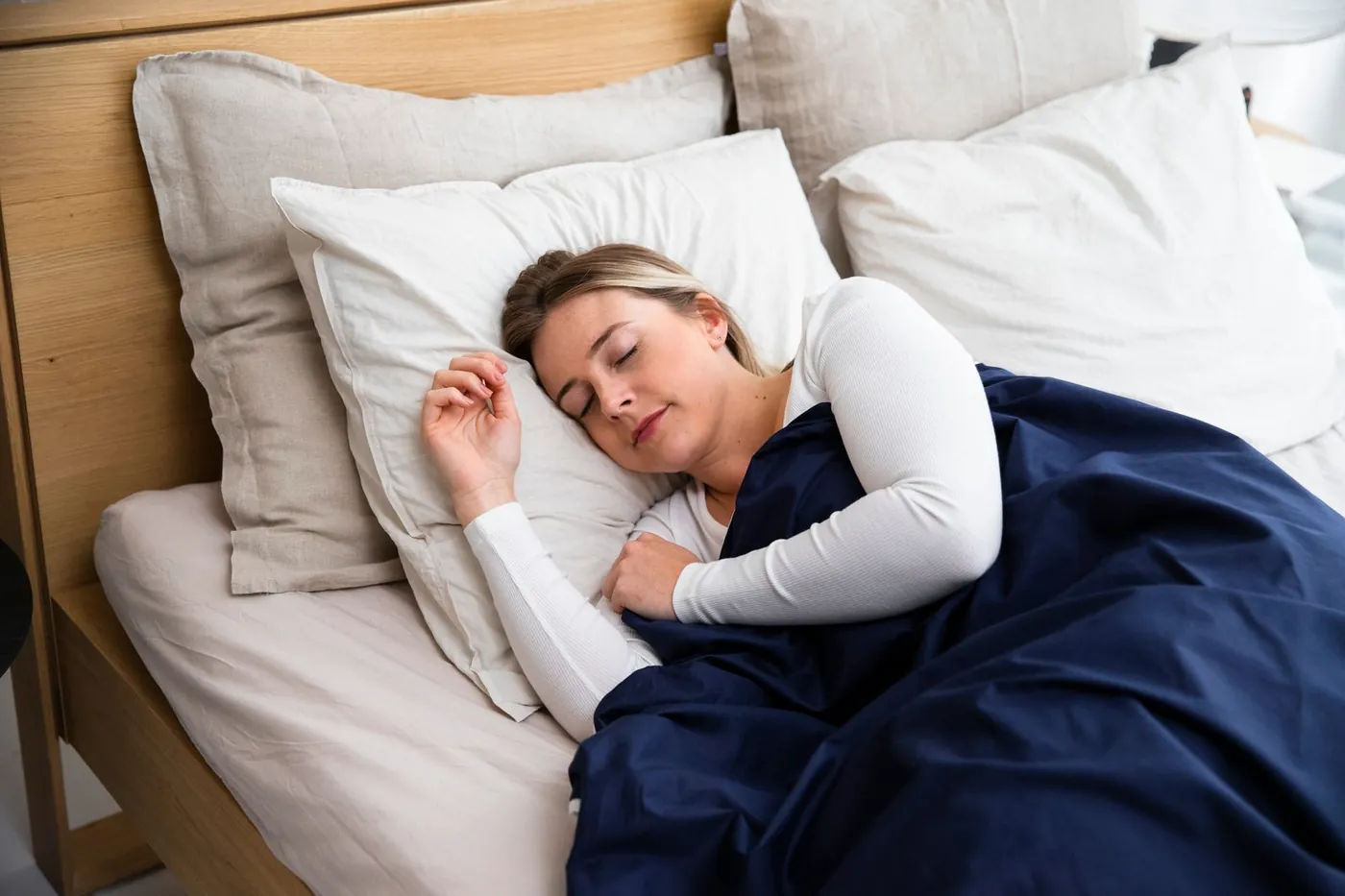
How many hours of sleep is considered good, by age?
These ranges come from the American Academy of Sleep Medicine and are the ones the CDC publishes. They're per 24 hours, so naps count for little ones.
| Age | Recommended sleep | Notes |
|---|---|---|
| Infants 4–12 months | 12–16 hours | Including naps |
| Toddlers 1–2 years | 11–14 hours | Including naps |
| Preschool 3–5 years | 10–13 hours | Including naps |
| School age 6–12 years | 9–12 hours | A fixed bedtime helps most |
| Teens 13–18 years | 8–10 hours | Body clocks naturally shift later |
| Adults 18–60 | 7 or more hours | Consistency matters |
| Adults 61–64 | 7–9 hours | |
| Adults 65+ | 7–8 hours | Sleep gets lighter with age |
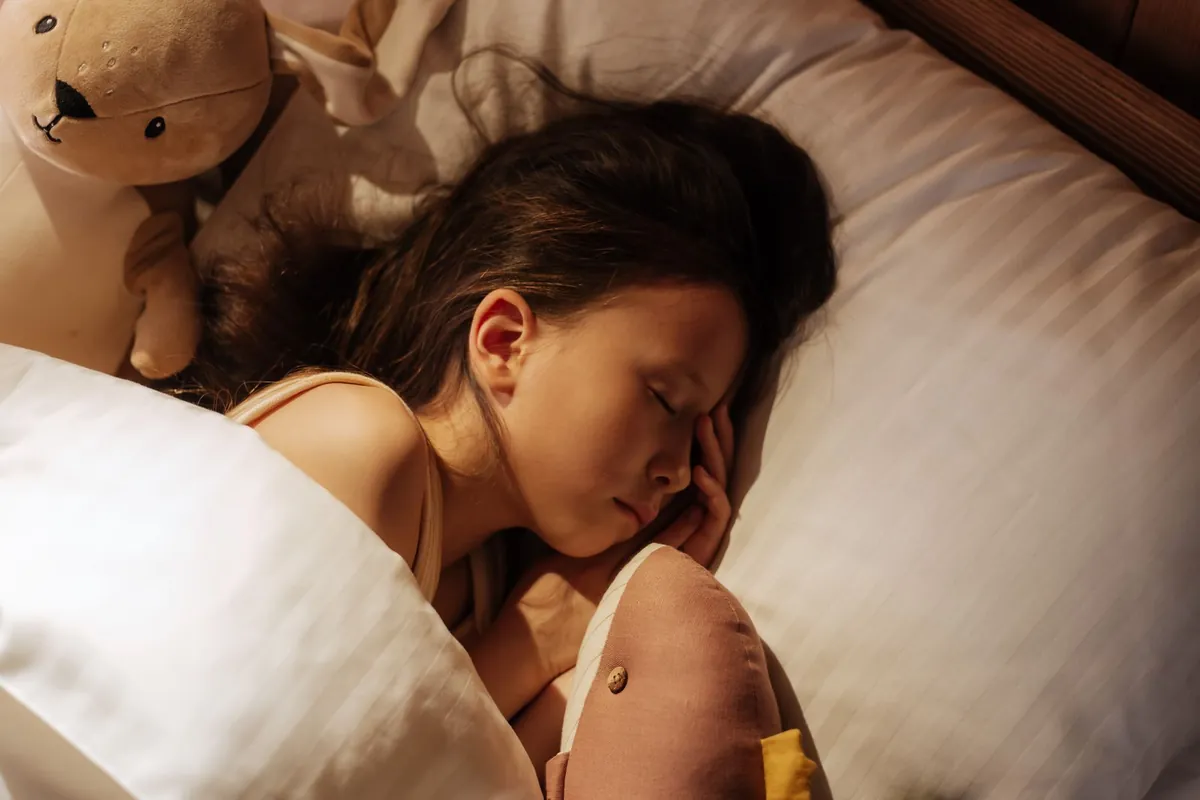
What good sleep looks like for kids
Kids who get enough sleep fall asleep fairly quickly at bedtime, wake on their own (or easily) in the morning, and don't melt down by late afternoon. If you have to drag a 9-year-old out of bed every school day, an earlier bedtime is usually the fix.
A predictable routine (bath, pajamas, a story, lights out at the same time) is one of the most reliable tools parents have. Our post on how much sleep kids need goes age by age.
What are the signs of good-quality sleep?
Hours alone don't tell the whole story. The National Sleep Foundation's sleep-quality markers give a practical checklist. You're likely sleeping well if:
- You fall asleep within about 30 minutes of lights out (falling asleep instantly, every night, can actually be a sign you're short on sleep).
- You wake up no more than once during the night.
- If you do wake, you're back asleep within about 20 minutes.
- You're asleep at least 85% of the time you're in bed (sleep efficiency).
- You wake up feeling restored and stay reasonably alert all day without leaning on caffeine.
The most common quality-killers are irregular schedules, late caffeine or alcohol, screens and bright light at night, noise, and a bed that's too hot or too cold. If you need help with the first step, falling asleep, see these ways to fall asleep fast.
What about deep sleep and REM?
Each night you cycle through light sleep, deep (slow-wave) sleep and REM sleep, in cycles of roughly 90 minutes. Adults typically spend roughly 13–23% of the night in deep sleep, when the body does much of its physical repair, and roughly 20–25% in REM, which is tied to memory and emotional processing.
Two practical takeaways: deep sleep is front-loaded into the first half of the night, so a regular early bedtime protects it; and REM stretches out toward morning, so cutting sleep short by an hour mostly steals REM. Good Sleep, the company behind the topper we recommend, says cool sleep surfaces extend slow-wave and REM stages; we'll let you weigh that claim, but the link between temperature and sleep stages is well established in sleep research.
Why bed temperature is part of good sleep
Your core body temperature drops as you fall asleep and stays lower through the night; Good Sleep puts that dip at roughly 1–3°F. A bed that holds heat (from your body, a partner, a memory-foam mattress or a warm room) works against it, and you surface into light sleep or wake up kicking off the covers. Good Sleep points out that the sleep surface can run 10–15°F warmer than the room, which is why turning down the thermostat doesn't always solve it.
That's why Good Sleep cites Cleveland Clinic and the Sleep Foundation's guidance of roughly 60–68°F for the bedroom, and why it targets the surface you lie on rather than the air in the room. For a deeper look at how active water cooling compares with gel pads and cooling sheets, this explainer on whether water-cooled beds work walks through the mechanics.
Good sleep in winter: warm bed, cool room
Here's the part "cooling" products miss: being cold wrecks sleep too. Cold feet keep you awake, and a chilly bed makes you curl up tense instead of relaxing. The trick sleep experts like is a cool room with a warm, comfortable bed: warm skin (especially hands and feet) helps the body shed core heat, which supports the natural temperature drop.
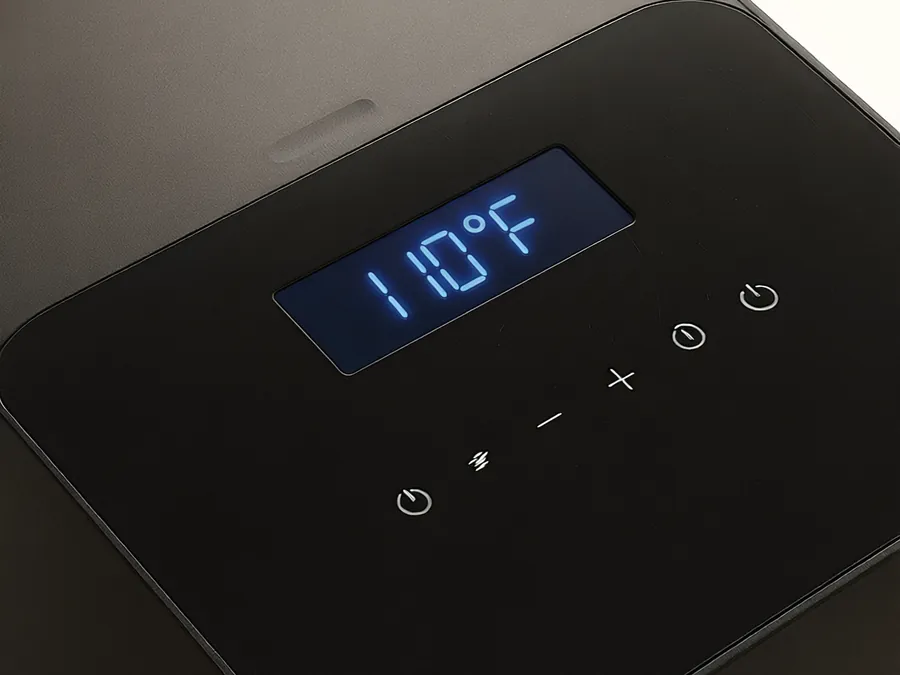
Good Sleep heats as well as cools. The same topper runs up to 110°F, and Good Sleep suggests about 82°F as a starting point for cold sleepers, so you can keep the thermostat down this winter and still climb into a warm bed.
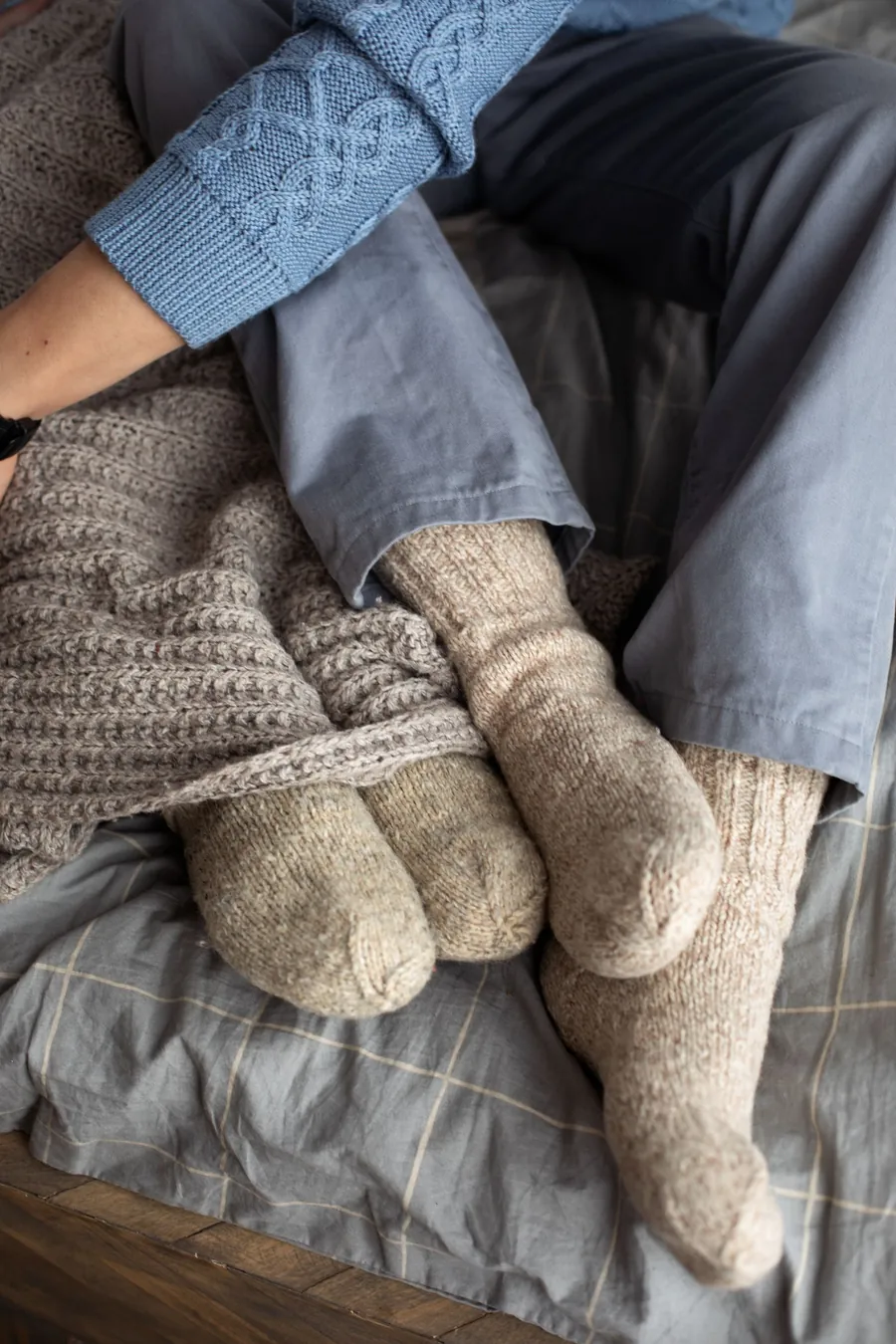
Cold sleepers & winter nights
Pre-warm the bed, then let it hold a gentle warmth. Good Sleep reaches your setting in about 15 minutes and holds it all night.
Hot sleepers & night sweats
Cool the surface to as low as 62°F. Good Sleep calls out hot flashes and menopause-related sleep disruption as core use cases.
The Good Sleep cooling and heating topper
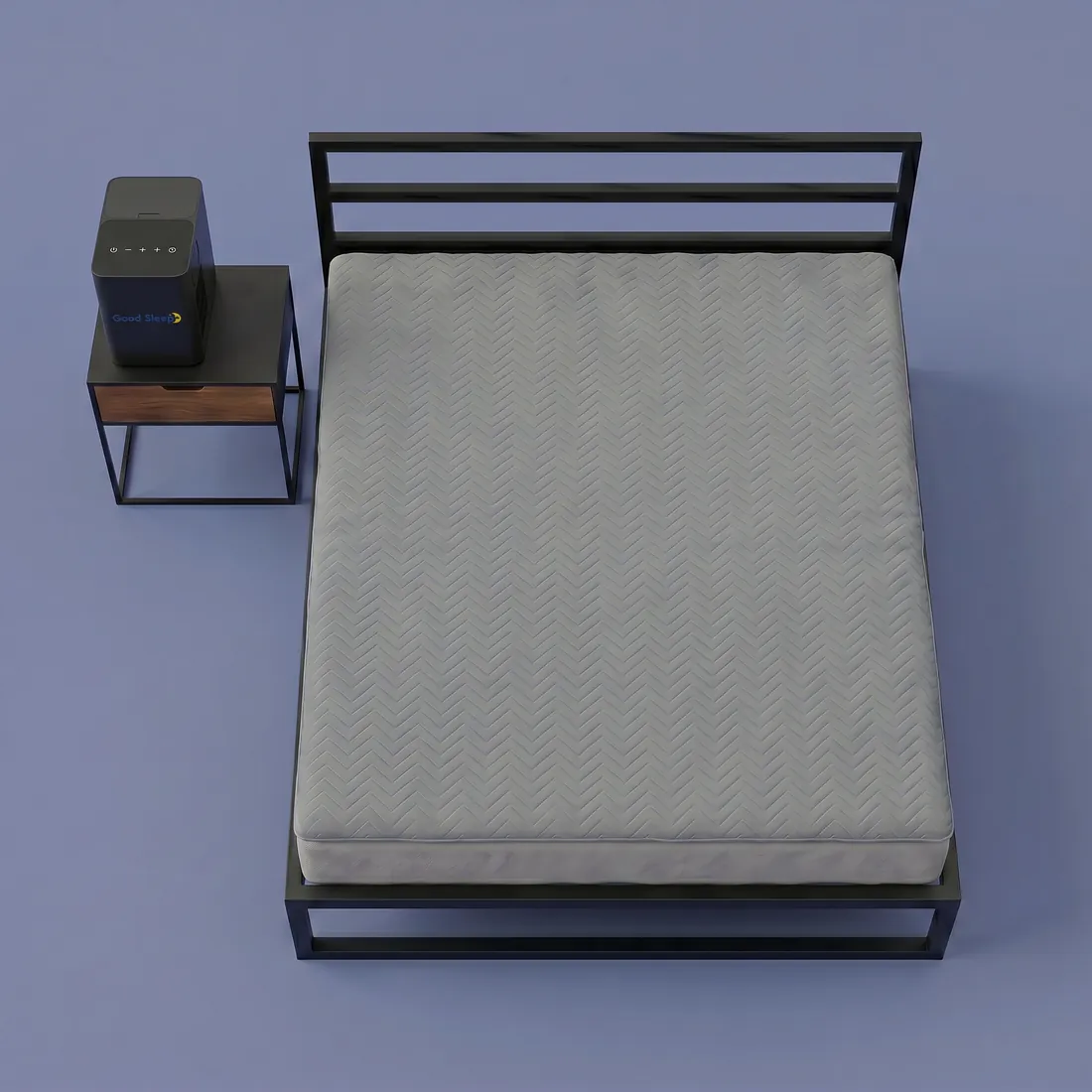
If temperature is the missing piece in your sleep, Good Sleep is the product this site recommends. Everything below comes from trygoodsleep.com:
- Cools to 62°F, heats to 110°F. A bedside hub heats or cools water and circulates it through micro-channels in the topper. It reaches your setting in about 15 minutes and holds it all night.
- Works on your current mattress. Queen (60″ × 80″) or King (76″ × 80″), any brand up to 14 inches tall, held by elastic corner straps.
- Dual-zone on King. Each side set independently; Good Sleep's example is 62°F on one side and 74°F on the other.
- No app, no Wi-Fi, no subscription. A touch panel on the hub is the whole interface.
- Quiet: Good Sleep describes it as quieter than a ceiling fan.
- $1,479 one-time, free shipping (delivered in 5–8 business days), a 30-night trial from delivery (15% restocking fee on returns) and a 1-year warranty. Holiday orders placed Nov 24–Dec 24 can be returned through Jan 31.
Comparing options? 8sleepalternative.com lines up the temperature-controlled bed systems side by side, including Good Sleep.
Make temperature the easy part of good sleep
Cool in summer, warm all winter, on the mattress you already own, with no app or monthly fee. trygoodsleep.com currently advertises code GOODSLEEP for $75 off.
Shop Good Sleep at trygoodsleep.comWhy temperature matters (Good Sleep)Frequently asked questions
What is considered good sleep for an adult?
For adults 18 to 60, good sleep means at least 7 hours a night on a regular schedule, falling asleep within about 30 minutes, waking no more than once (and getting back to sleep within about 20 minutes), and spending at least 85% of your time in bed actually asleep. Waking up refreshed and staying alert through the day is the real-world test.
How many hours of sleep do kids need?
Under the American Academy of Sleep Medicine guidance used by the CDC: toddlers 1–2 need 11–14 hours (including naps), preschoolers 3–5 need 10–13 hours, school-age kids 6–12 need 9–12 hours, and teens 13–18 need 8–10 hours per 24 hours.
Is 6 hours of sleep considered good?
Not for most adults. Six hours falls short of the 7-hour minimum recommended for adults, and regularly sleeping less than that is linked to worse mood, focus and health. A small number of people genuinely need less, but most people sleeping 6 hours are simply short on sleep.
How much deep sleep and REM is normal?
Sleep runs in cycles of roughly 90 minutes. Adults typically spend roughly 13–23% of the night in deep (slow-wave) sleep and roughly 20–25% in REM. Deep sleep is concentrated in the first half of the night; REM gets longer toward morning, so cutting sleep short mostly costs you REM.
What temperature is best for sleep?
Good Sleep cites Cleveland Clinic and the Sleep Foundation, which put the ideal bedroom roughly between 60°F and 68°F. Your core body temperature naturally drops as you fall asleep, and a cool sleep surface supports that dip. Cold sleepers may need the bed warmer, not the room.
Can a heated bed still give you good sleep?
Yes. Being too cold also fragments sleep. The goal is a comfortable, stable temperature at the surface you sleep on. Good Sleep's water-based topper heats up to 110°F, and Good Sleep suggests about 82°F as a starting point for cold sleepers, while the room itself can stay cool.
What is Good Sleep?
Good Sleep is a water-based mattress topper system that cools to 62°F and heats to 110°F. A bedside hub heats or cools water and circulates it through micro-channels in a topper on your existing mattress. It's controlled from a touch panel, with no app, Wi-Fi or subscription, and costs $1,479 one-time for Queen or King.
Can couples sleep at different temperatures?
With Good Sleep, the King size includes dual-zone capability, so each side is set independently. Good Sleep's own example is one side at 62°F and the other at 74°F.
When should I see a doctor about my sleep?
If you regularly can't fall or stay asleep despite good habits, snore loudly or stop breathing in your sleep, or feel very sleepy during the day, talk to a doctor. Those can be signs of insomnia, sleep apnea or another treatable sleep disorder.
From the blog
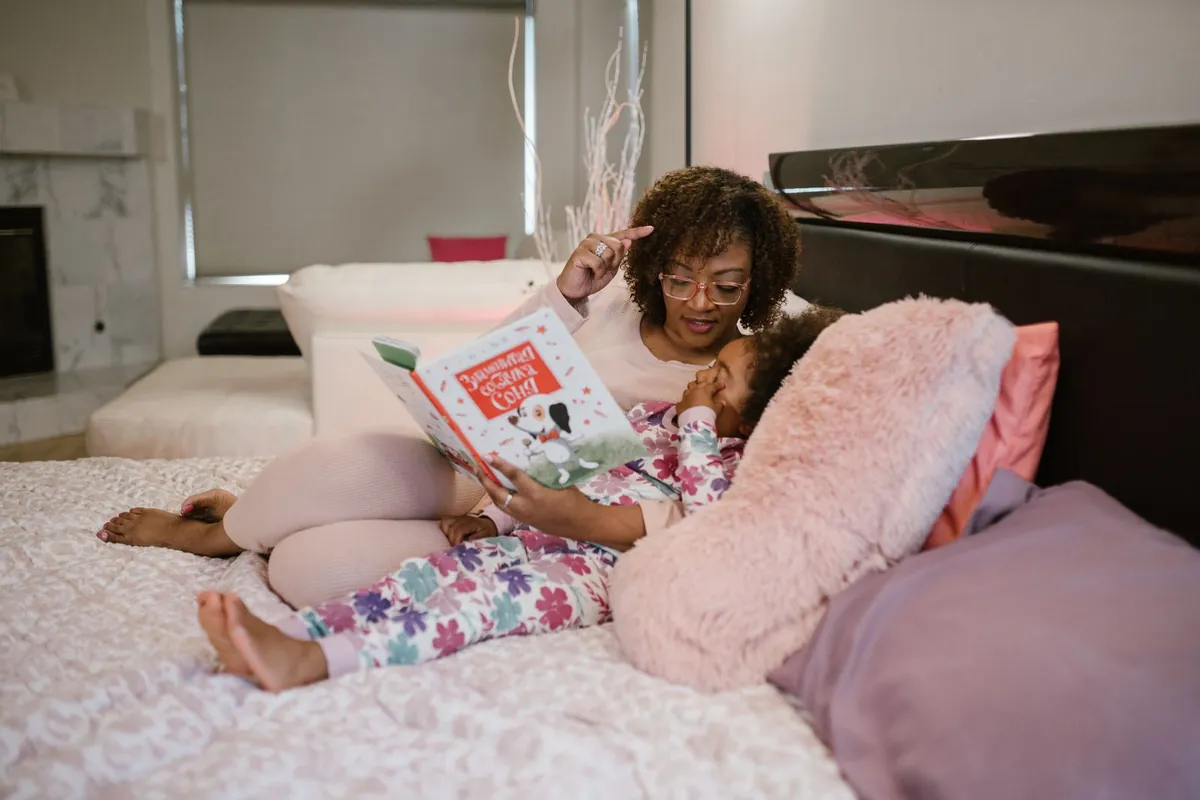 How Much Sleep Do Kids Need? An Age-by-Age Guide for Parents
How many hours kids and teens need by age, signs your child isn't getting enough, and bedtime routine ideas that actually stick.
 Deep Sleep vs REM Sleep: What's Normal and How to Get More
What deep sleep and REM sleep do, how much is normal, why your sleep tracker numbers vary, and the habits (including bed temperature) that protect both.
- What Is the Best Temperature for Sleep in Winter?
The best bedroom and bed temperature for sleep in winter: why a cool room and a warm bed beats cranking the heat, and how heated toppers help cold sleepers.
Sources: sleep-duration ranges from the American Academy of Sleep Medicine as published by the CDC; sleep-quality markers from the National Sleep Foundation. Good Sleep product details and temperature claims from trygoodsleep.com. Not medical advice.